When leaving Apache Junction for the summer, set your thermostat to 85°F–88°F (never turn it completely off), install a fresh MERV 8 air filter, treat the condensate drain with algaecide, and close all blinds. Upon returning in autumn, stage your temperature drop gradually and test the heat pump reversing valve before winter cold snaps.
Why Turning Off Your AC Completely in Arizona Summer Destroys Homes
Every spring between April and early May, thousands of seasonal winter residents depart Apache Junction, Gold Canyon, and Fountain Hills. The single most catastrophic error a seasonal homeowner can make is switching the air conditioning completely off to save money on electric bills:
130°F+ Interior Oven Effect
When ambient outside temperatures hit 115°F in July, an unconditioned home or park model acts as a closed greenhouse. Interior temperatures exceed 130°F, causing vinyl plank flooring glue to melt, wood cabinetry to shrink and crack, and refrigerator plastic shelving to warp.
Drywall & Ceiling Sag
Intense attic heat radiating down through ceiling drywall bakes joint tape until it delaminates. Without mild airflow, adhesive compounds fail, leaving drooping ceiling tape and cracked textured sheetrock throughout living areas.
Schedule Pre-Departure HVAC Maintenance
Call (321) 666-8870 now to connect with independent local HVAC contractors for seasonal electrical safety checks and coil washing.
Spring Departure Protocol: The 85°F Rule and Essential Steps
Before locking up your residence for the summer season, follow this technical preparation sequence:
1. Set Thermostat to 85°F–88°F (Auto Fan)
Setting your thermostat between 85°F and 88°F strikes the perfect balance. The cooling system cycles for 2 to 3 hours during the hottest afternoon window, circulating indoor air and maintaining safe thermal levels without generating painful electric utility bills. Never set the fan switch to "ON"—leave it in "AUTO" so the fan runs only when cooling is actively engaged.
2. Install a Fresh Standard-Pleat MERV 8 Filter
Install a new MERV 8 pleated filter before departure. Avoid restrictive high-MERV (11 to 14) allergy filters during vacant summer months; high-density media creates excessive static airflow resistance that forces blower motors to run hot when operating unattended in high heat.
3. Insert Fresh Alkaline Batteries in Thermostats
If your digital thermostat uses AA or AAA backup batteries, replace them with fresh alkaline cells. If batteries expire in June, the thermostat screen shuts down and loses communication with the control transformer, leaving your home unconditioned during the hottest months of the year.
4. Draw All Window Coverings and Blinds
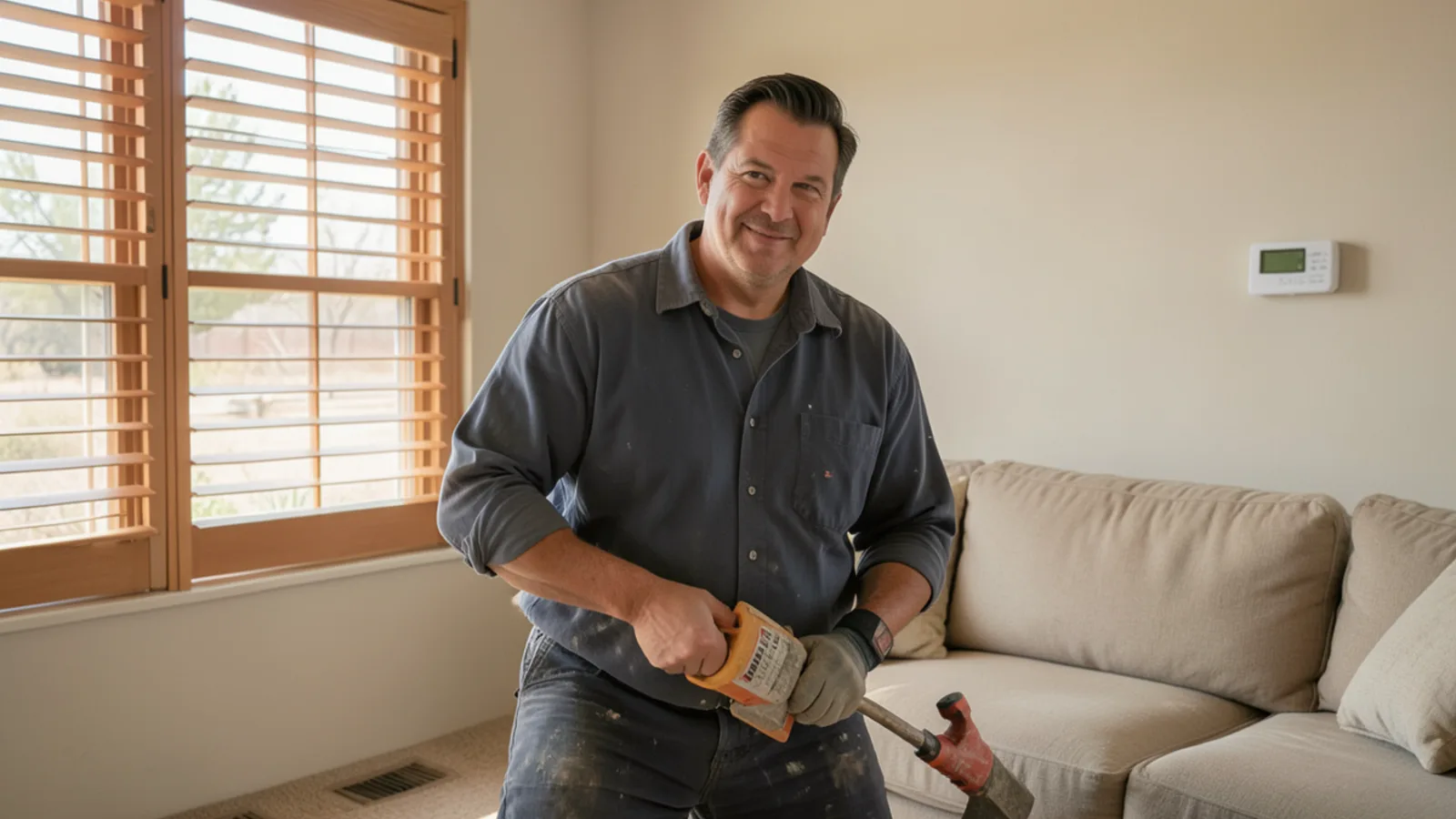
Close all plantation shutters, mini-blinds, and thermal curtains. Solar infrared radiation through west-facing and south-facing double-pane glass adds thousands of BTUs per hour, forcing unnecessary compressor runtime.
Condensate Drain & P-Trap Protection Against Biological Slime
Monsoon storms bring sudden humidity spikes in July and August, causing air conditioning coils to extract gallons of water daily:
Warm, stagnant condensation sitting in air handler drain pans creates a breeding ground for zoogleal bacterial slime. This gelatinous bio-film sloughs off and plugs the 3/4-inch PVC drain trap. When the drain backs up, the safety float switch cuts power to the thermostat, leaving the home completely uncooled for weeks while owners are hundreds of miles away.
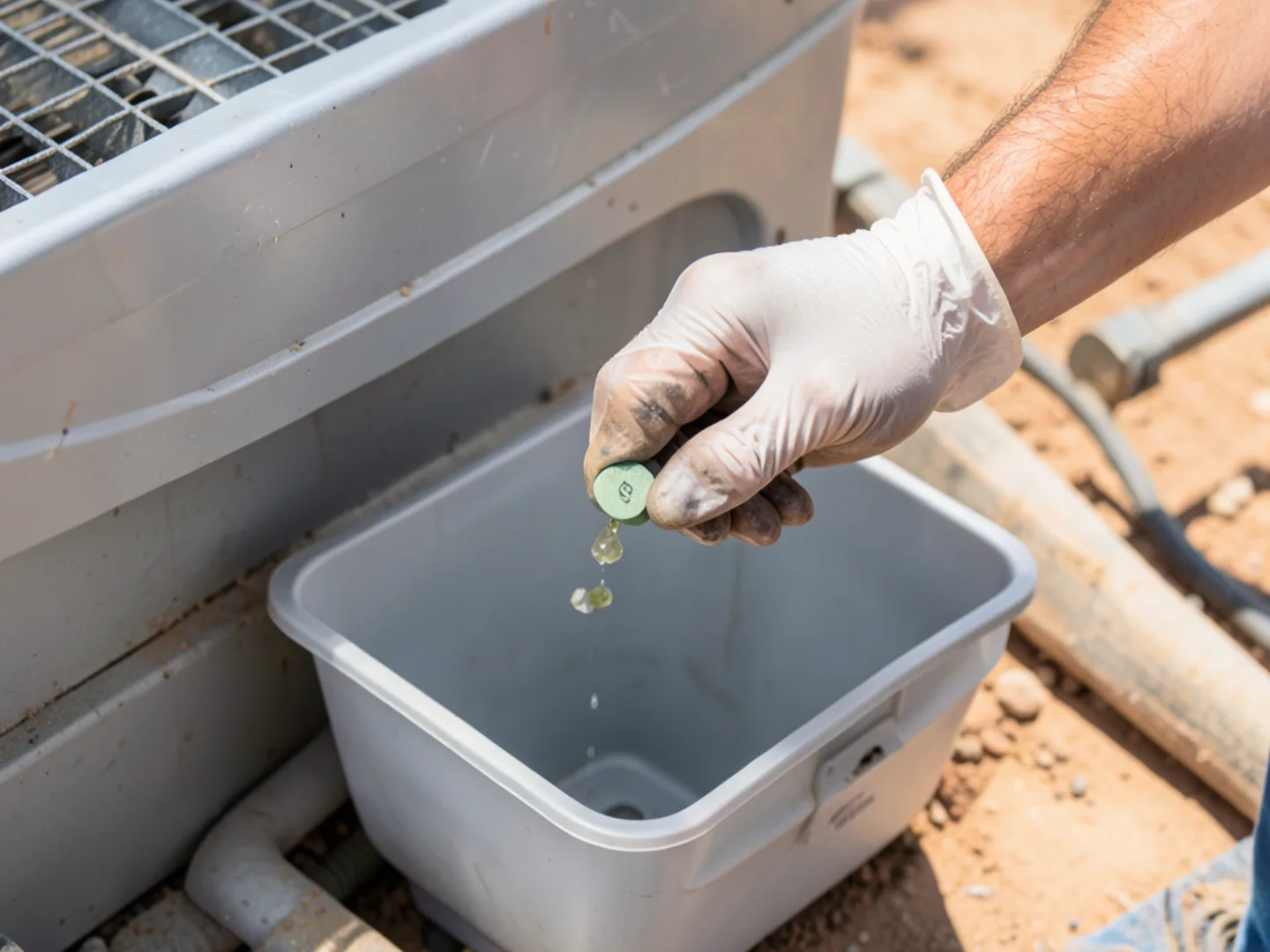
Before leaving, pour two cups of distilled white vinegar through the condensate cleanout tee to clear organic residues, then drop two slow-dissolving algaecide tablets into the primary drain pan to inhibit biological growth throughout the summer.
Autumn Return Checklist: Staged Heat Pump Recommissioning
When returning to your Apache Junction home in October or November, avoid immediately dropping the thermostat from 88°F to 72°F. Sudden high-demand operation on equipment that has sat in idle setbacks for five months can overload aged capacitors:
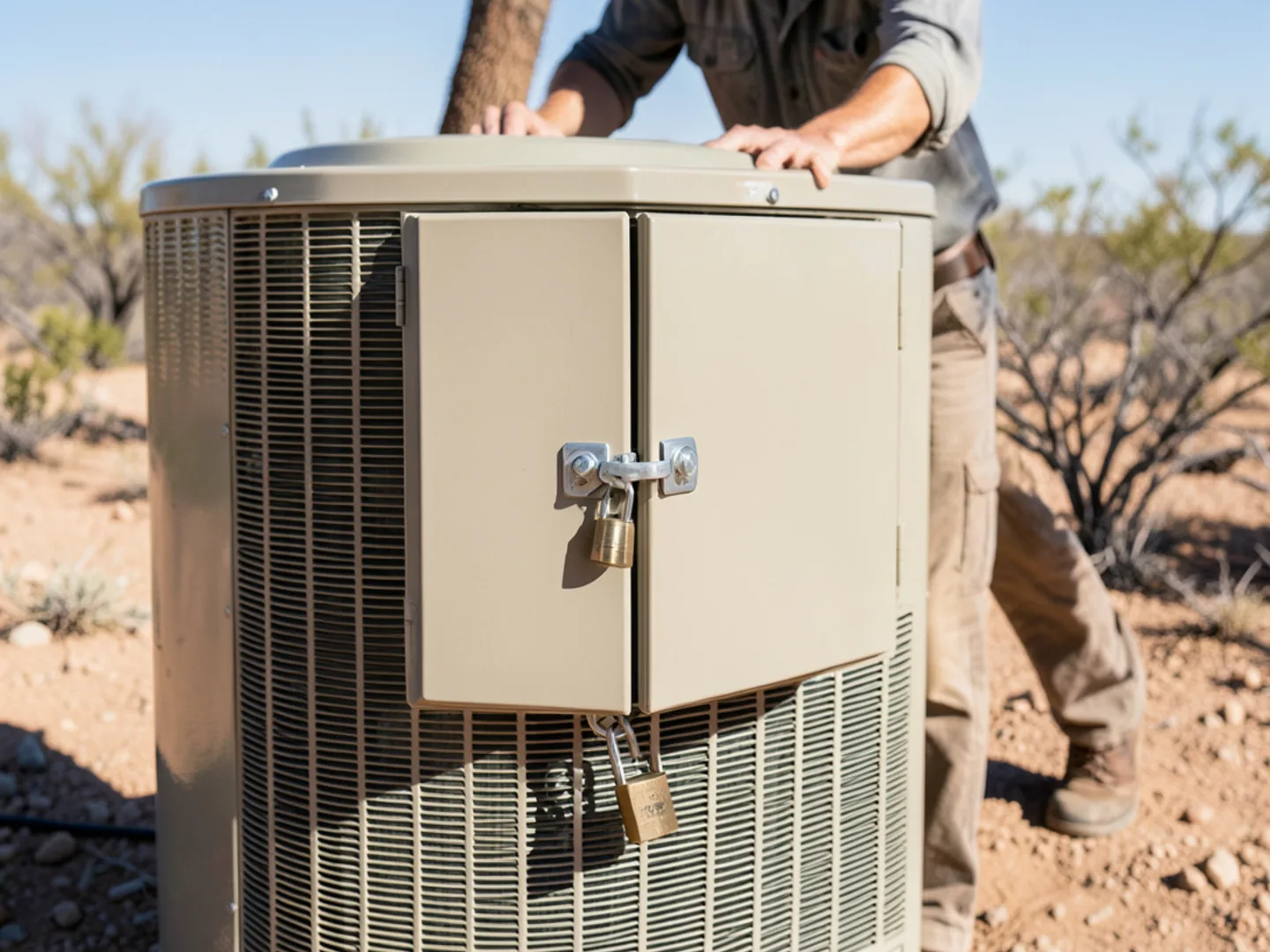
- Outdoor Visual Inspection: Check the outdoor condensing unit or package unit for summer dust accumulation, pack rat nests, or damaged wiring beneath the outdoor electrical disconnect box.
- Lower Thermostat in 3°F Stages: Lower the temperature setting gradually (e.g., from 88°F to 84°F, then to 80°F, and finally to 74°F over several hours) to allow the compressor to cycle smoothly without continuous multi-hour thermal loading.
- Inspect Air Filters for Monsoon Dirt: Haboob dust storms frequently penetrate home air intakes during summer. Check the air filter upon arrival; if coated in brown desert silt, replace it immediately.
- Test Winter Heating Operation: Switch the system to "HEAT" for 15 minutes in early November before desert overnight temperatures drop into the 30s. Verify the auxiliary electric heat strips engage and the four-way reversing valve shifts smoothly from cooling to heating mode.
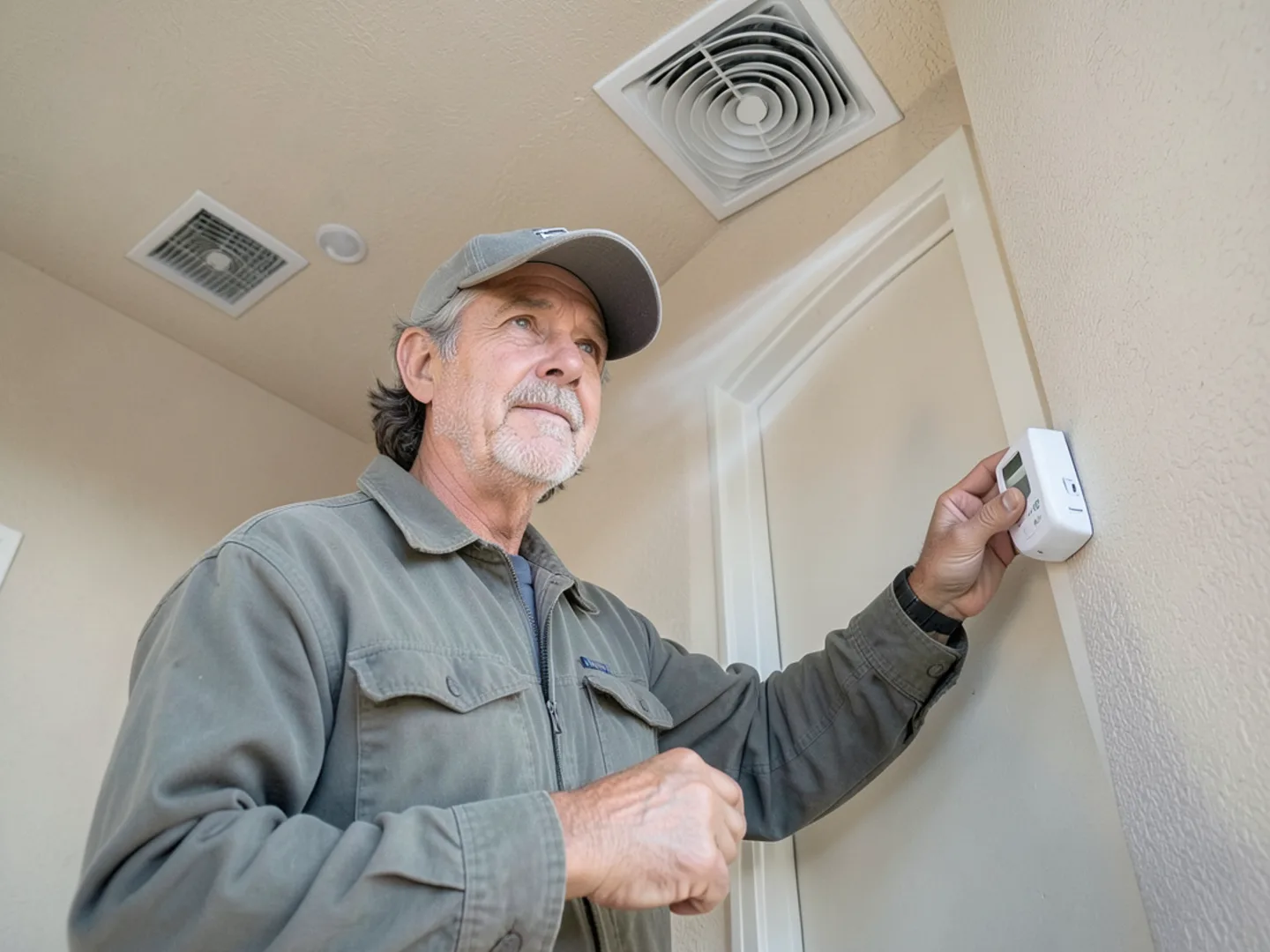
Home Watch Caretaker Instructions for Monthly Inspections
If you employ a home watch service or neighbor to check on your property, give them this specific HVAC checklist to verify on every monthly visit:
- Thermostat Verification: Confirm the display reads between 85°F and 88°F and no error codes are flashing.
- Condensate Discharge Check: Look at the exterior PVC drain line termination outside the home to ensure water is dripping freely during afternoon cycles rather than pooling beneath air handlers.
- Unusual Sounds: Listen for loud humming, buzzing, or grinding sounds coming from the outdoor condensing cabinet.
- Electrical Breaker Status: Verify that neither the indoor air handler nor outdoor unit double-pole breaker has tripped in the main panel.
Quick-Reference Seasonal HVAC Action Table
| System Component | Spring Departure Action (April–May) | Autumn Return Action (Oct–Nov) |
|---|---|---|
| Thermostat Mode & Temp | Set to COOL at 85°F–88°F; Fan on AUTO | Lower in 3°F stages to desired comfort level |
| Air Filter Media | Install clean MERV 8 standard pleated filter | Check for monsoon dust accumulation; replace if dirty |
| Condensate Drain Line | Flush with white vinegar; insert algaecide pan tablets | Confirm free exterior water drainage |
| Window Blinds & Drapes | Close fully on all exposures to block solar gain | Open as desired for winter natural lighting |
| Heat Pump Heating Mode | Keep set strictly to COOL | Test run HEAT for 15 minutes before cold snaps |
Frequently Asked Questions: Snowbird HVAC Care
Direct answers regarding summer thermostat setbacks, algaecide drain care, and fall heating tests.
Set your thermostat to 85°F or 86°F with the fan switch set to AUTO. Never set the thermostat above 88°F and never turn the system completely off. Running your air conditioning at 85°F allows the unit to cycle for 2 to 3 hours during peak afternoon heat, keeping indoor temperatures below the 95°F threshold where drywall joint compound deteriorates, wood cabinetry warps, and refrigerator compressors fail.
Related Seasonal Resources & Service Communities
Schedule Seasonal HVAC Inspection in Apache Junction
Call (321) 666-8870 to schedule pre-departure maintenance or fall start-up testing with an independent local heating and cooling contractor.